Everyone has their own choices and perspectives. You will definitely answer: YES! But choosing poor-quality household paper products can harm the health of you and your family? You're not clear about it because you don't know much about household paper. At this point, you're even more confused.
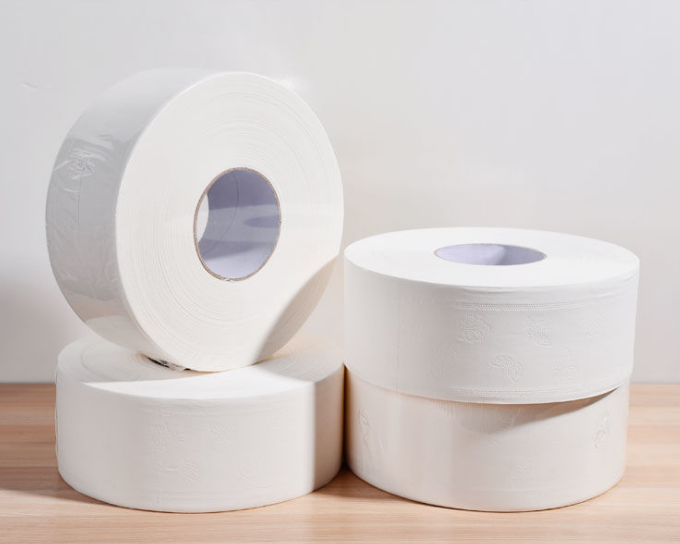
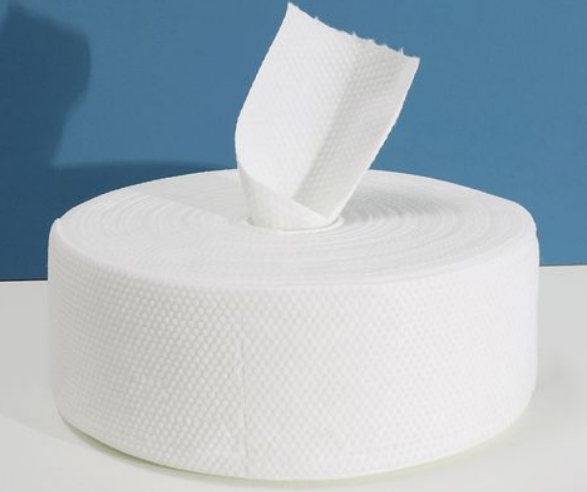
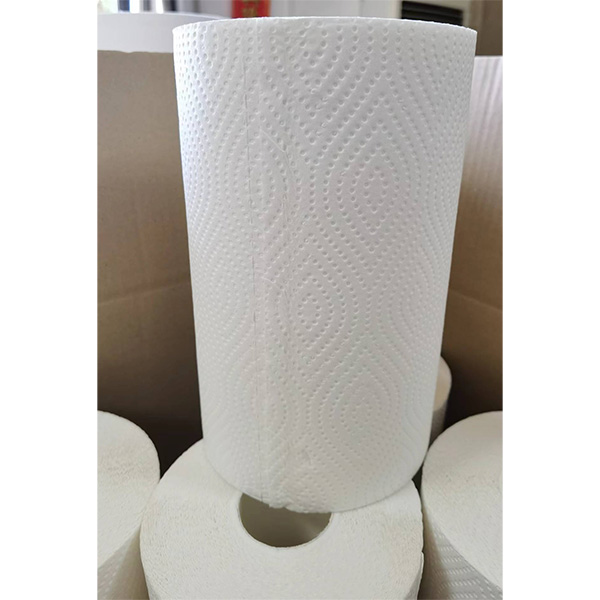
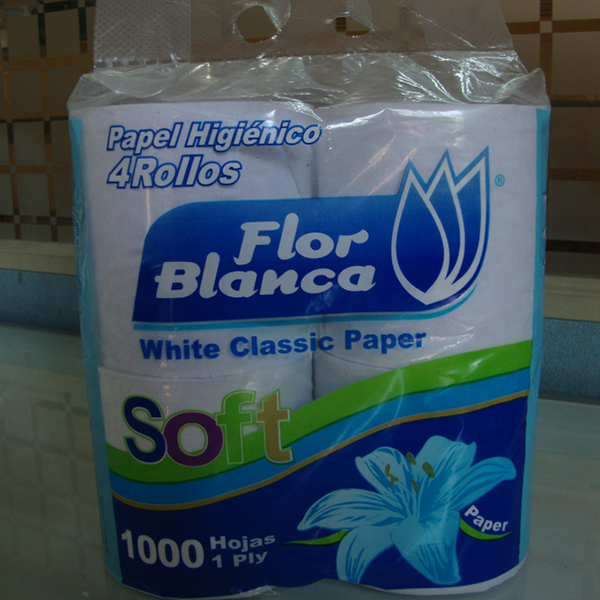
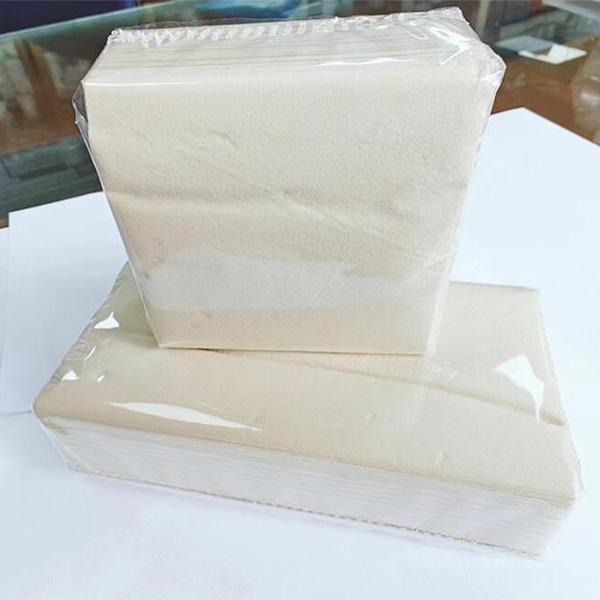
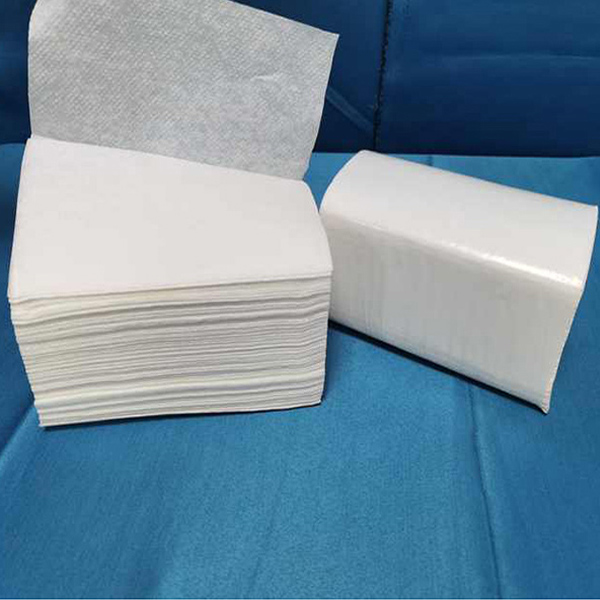
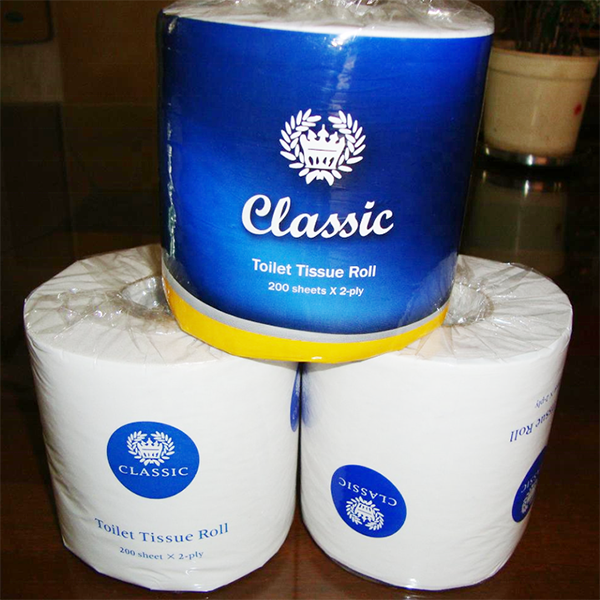
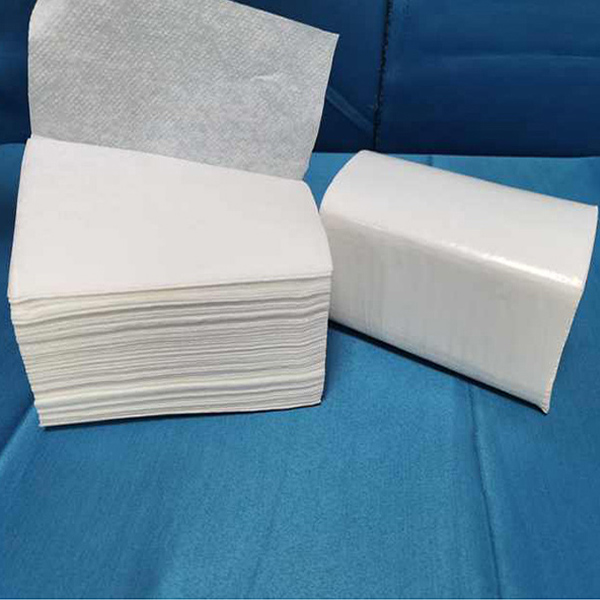
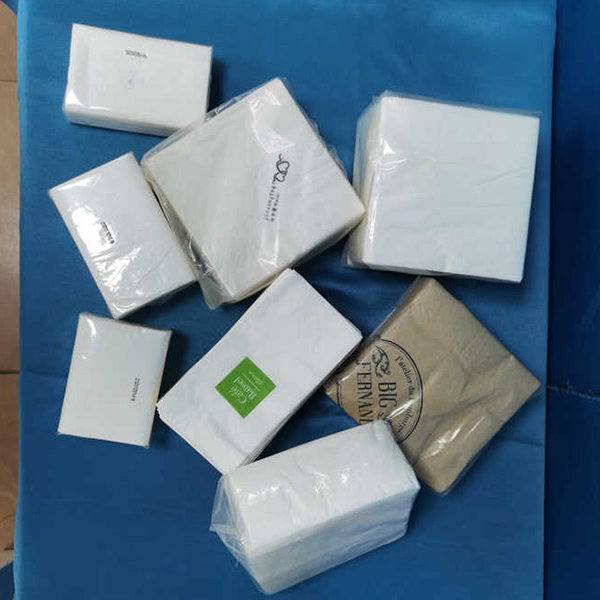
The quality of a household paper mill cannot be judged at a glance. In daily life, household paper mills accompany each of us every day and are the most familiar daily necessities to us. They are a very important part for everyone to maintain health, but we often neglect this part. So, what products are referred to as household paper? In simple terms, it includes the facial cleansing paper we often use - facial tissues. Currently, the market offers pull-out paper, box tissues, portable tissue packs with soft tissues, wet wipes, etc. Napkins used during meals (usually provided free of charge by the catering business); Toilet rolls, small plates of paper, hand towels, three-fold hand towels, etc. used in the bathroom; There are so many types of household tissues used at home that it is not very easy for consumers to distinguish them.
For household paper, raw materials are the first step towards health, that is, the pulp raw materials used in the papermaking process. It is precisely because of the price war that many of the common household paper factories in the market now produce recycled paper through regeneration. Such products flood the market, causing many uninformed consumers to unknowingly harm their own health. Strictly speaking, this type of recycled pulp is not allowed to be processed into household paper. Because the raw materials for pulp are widely available, even including used sanitary napkins, newspapers and other waste paper, after being recycled and bleached, they are illegally manufactured by some small processing plants or black workshops and finally circulated in the market. As consumers, we should have a better understanding of the common sense in this regard. We should not refuse to purchase such products just because they are cheap and cost-effective. There is another batch of small brand household paper products in the market. Although the product packaging claims that the raw material is 100% wood pulp, in fact, it is only a mixture of about 30% original pulp and recycled paper pulp. The quality has improved somewhat, but it is still not a healthy choice for consumers.
In addition to raw materials, it is also important to pay attention to the second crucial step, which is the physical and chemical indicators. When many consumers choose household paper products, they blindly pursue brands, such as fineness, whiteness or fragrance, while ignoring that what we truly need is its practical value and our own health. Little do they know that it is precisely these hyped selling points that hide hidden dangers. Some manufacturers, in order to cater to consumers' preferences, do not hesitate to overuse or add industrial raw materials to endow their products with features that they should not have.
The standards for a healthy living paper factory are actually very simple. They are to select high-quality raw materials, optimize the processing technology during the manufacturing process, prevent secondary pollution, and undergo special disinfection and sterilization treatment. To truly achieve this, apart from a company's sense of mission and responsibility, it also requires a solid industrial foundation, advanced processing equipment and techniques, as household paper often comes into contact with people's sensitive skin areas.
As the saying goes, "Disease enters through the mouth." When people sweat or eat, if they use low-quality household paper, it may cause your body to absorb too many chemicals. If this continues for a long time, it will lay a hidden health risk. If household paper carries pathogenic bacteria, it is undoubtedly a greater enemy to health. Especially for female friends, they should be more cautious when using it during daily toilet use to avoid damaging their health and subsequently affecting their work and life. The identification of high-quality household paper should be based on uniform texture, fine and soft touch, natural color, no special odor, and no dust when rubbed or torn.
Tag: 11